How Did the 2026 World Cup Change Soccer in Kansas City?
- October 22, 2026
- 0
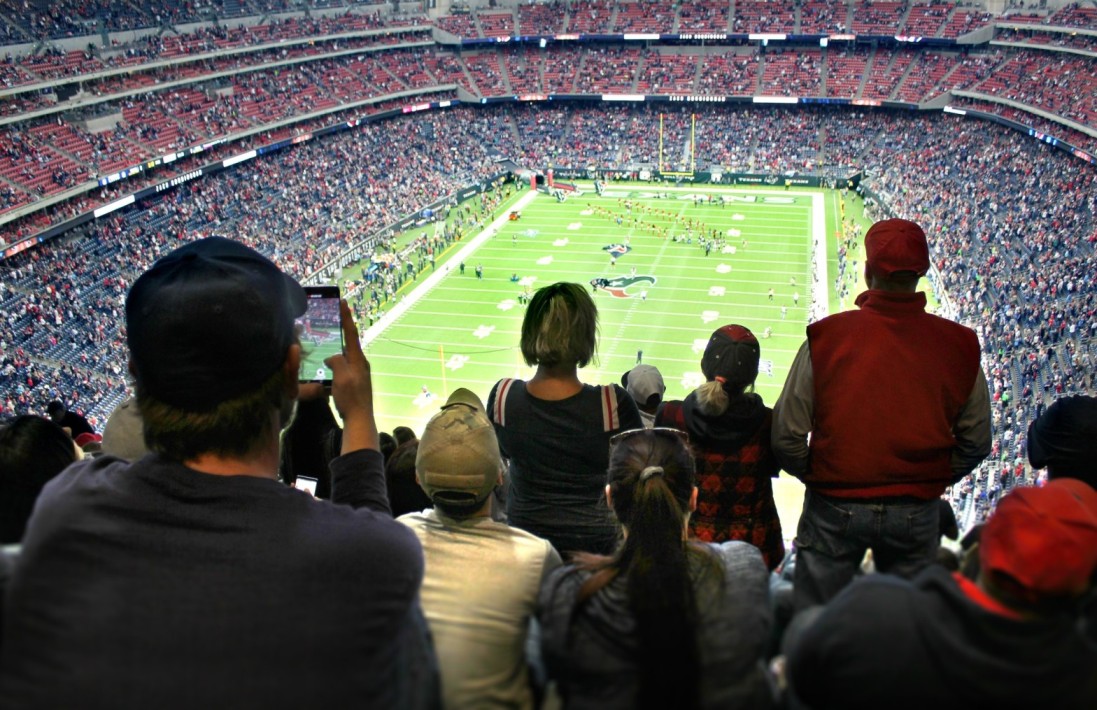
Kansas City, Missouri, had its soccer coming out party at the 2026 FIFA World Cup. The warmth of the event was felt for more than a few high-stakes

Kansas City, Missouri, had its soccer coming out party at the 2026 FIFA World Cup. The warmth of the event was felt for more than a few high-stakes
Kansas City, Missouri, had its soccer coming out party at the 2026 FIFA World Cup. The warmth of the event was felt for more than a few high-stakes games, for local supporters and local youth players and local soccer clubs. It presented the city with a chance to sell its passion for the game to the world. Six World Cup matches were played at Arrowhead Stadium (referred to as Kansas City Stadium for the event). This includes four group matches, one round of 32 encounter, and one quarterfinal. The final game in Kansas City took place on 11 July 2026. Source: FIFA With the tournament gone, the bigger question is what we’re left with. That the World Cup has altered how Kansas Citians play, watch, and cheer soccer? The solution is more than what appears on the scoreboards.
Kansas City Had a Soccer Culture Before 2026 Sporting Kansas City had a passionate fan base, and the KC Current generated interest in women’s soccer. Youth clubs and school teams were present, and coaches and families were passionate about the game. The World Cup demonstrated local devotion to a larger audience. Fans flocked here for the games from Argentina, Ecuador, the Netherlands and other locations. They offered locals an opportunity to mingle with fans of other teams and cultures. The competition also made Kansas City look like a deserving international soccer capital. That is huge for future events, the sports tourism industry, and putting the city on the map for fans who have never stepped foot in Kansas City before.
A long-term effect might be more kids and new admirers. A child who saw a World Cup game, met a visiting fan or attended a neighborhood watch party may now wish to play. That’s the spark that counts. Kids sometimes get into things because they appear like fun, because their peers do it, because they idolize a star. A big event can transform a passing interest into a weekend pursuit. Check out club soccer teams in the neighborhood, school teams, recreation programs, and community leagues. Family interest can develop from there. Parents should research age groupings, prices, practice times, and equipment requirements before signing up. New players face the issue of finding locations to play. But the sport won’t flourish if families can’t locate inexpensive teams, safe fields or programs in their neighborhood. Local organizations and rec groups can help create momentum. Camps and Clinics Obtained a Bigger Spotlight
The World Cup also introduced a new fan base to established teams. Sporting Kansas City and the KC Current were already big names in the local sports scene. And then there was the tournament itself, again another motivation for the outsiders to catch up on the local soccer scene–just not national teams. Sporting Kansas City participates in Major League Soccer, and KC Current participates in the National Women’s Soccer League. They also give local opportunities for fans to keep watching elite soccer following the World Cup. Locally based professional teams can also teach young players more about the game. Watching games in person can acquaint viewers with how teams position, tackle, pass, and function in concert. The tournament didn’t start Kansas City’s soccer culture from scratch. But what it did was give that culture a broader platform and a chance to expose that culture to more people.
Local shops and eateries saw new business from the throngs and guests of the tournament. Whenever the games became spicy, the shops around fan hubs and barbecue joints and pubs boomed. But unfortunately it didn’t all come up roses. But local news sources said the event resulted in weaker sales or barring repeat customers for some small businesses. The impact depends on geography, consumer behavior, and type of business. Source: KCUR It is a significant mixed outcome for soccer, too. A successful sporting event will be good for the whole community, too—not just the neighborhoods nearest the stadium, or the fan activities. The lessons learned could be used for future competitions. More outreach, easier travel information, and ways to promote areas of town other than shops may encourage visitors to spend their money in a wider variety of places. Good community ties are essential to healthy local soccer. The clubs, schools, shops, and fans can also band together and bring the sport into day-to-day life and not a one-time-event sport of summers.
Transportation, Public Safety, Visitor Services, and Event Planning for the World Cup take “huge work.” Such efforts demonstrated the value of teamwork in hosting a major sports event. Now the region needs to learn from those lessons. Local officials and soccer organizations can evaluate what worked, what didn’t, and what would best serve communities. That might mean more fields for youngsters, more access to coaches, and programs for families who can’t pay hefty club fees. Or it also might imply additional opportunities for girls, newcomers, and adults to play in local leagues. In fact, the crowd gets to go home, and the true legacy of the World Cup is formed. A robust legacy is not just a filled stadium. It’s a child finding a team, a coach finding support, a community finding a safe place to play.
Kansas City Can Extend the World Cup Moment. Local clubs can find new fans, schools can generate interest among students, families can sustain the game through local matches. Locals can do their part by attending Sporting KC and KC Current games, donating to their neighborhood kids’ teams, or simply getting involved with one of the local soccer initiatives. Even attending one game with a friend who is unfamiliar with soccer will help. The World Cup illustrated the power of soccer to unite people of all ages and cultures. That spirit must be fostered by continuous efforts by clubs, coaches, schools, and supporters. Kansas City has the game and the heart to back it up. The real test will be if the excitement of 2026 translates into additional opportunities to play, watch and enjoy soccer for years to come.
1. How many games of the 2026 World Cup were played in Kansas City?
Short answer: Kansas City hosted 6 matches.
Detailed answer: Played four group games, one Round of 32 game, and the quarterfinal game. All six matches were played at Arrowhead Stadium (called Kansas City Stadium for the tournament). June-July 11th, 2026 games.
2. Did the World Cup boost soccer’s popularity in Kansas City?
Short answer: It raised the visibility of soccer as a sport, but long-term growth will not happen overnight.
Detailed answer: It made local soccer the center of attention and lured foreign clubs and supporters to the region. But for long-term growth, youth initiatives, inexpensive field time, hometown clubs and ongoing fan support will need to exist.
3. How do kids play soccer in Kansas City?
Short answer: Check out local groups, school teams, and community recreation programs.
Detailed answer: Cost, age range, practice periods, and travel should be considered by parents. Beginners clinics and recreation leagues can help kids who are new to the game. Look for scholarships or discounted fees to assist families in paying.
4. What professional soccer clubs can Kansas City fans follow after the World Cup?
Short answer: Kansas City soccer fans can cheer for Sporting Kansas City and the KC Current.
Detailed answer: Sporting Kansas City is a Major League Soccer team and the KC Current is a team in the National Women’s Soccer League. Going to games allows fans to keep tuned into the local soccer scene, and it gives kids the opportunity to see the pros up close.
5. Will the World Cup have a lasting effect on Kansas City?
Short answer: The enduring effects will rely on the way the region takes advantage of the event.
Detailed answer: The tournament put Kansas City on the map and brought people together playing soccer. Potential long-term rewards are improved youth programming, increased fan base, and additional sports events in the future. Those gains will require ongoing investments, access to the game, and local support.
Kansas City had an incredible vibe around the 2026 World Cup. It introduced international teams, spotlighted area clubs and their sport to new viewers. Now residents and local officials must decide what comes next. But that enthusiasm may be durable if won over with more young activities, fair ways to access the fields, and support of local teams beyond the summer. But more people playing the game long after the final whistle could be the largest KC gain.